Fruit doesn’t always arrive ready to eat. That’s by design. Shipping underripe produce means it travels better and gives the recipient control over when to enjoy it. Cam, Gourmet Gift Baskets' fruit sourcing expert, explains how ripening works and how to manage it at home.
If you’ve ever received a gourmet fruit basket, you may have noticed that the fruit feels a little firm on arrival — that’s intentional. Sending fruit slightly underripe helps ensure it reaches you in perfect condition, letting you finish the ripening process at home for the best flavor and texture.
“Everything gives off gas as it ripens,” Cam says. “If you trap that gas, you speed things up. A paper bag works—put underripe fruit in the bag and check it daily.”
Here’s his guide to ripening the fruits you’re most likely to see in a basket.
1) Apples and Pears
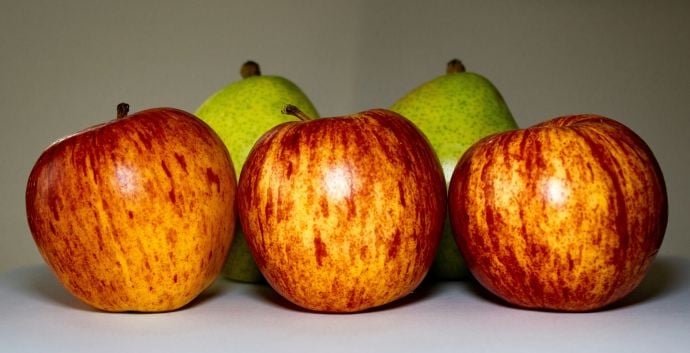
Apples and pears are often picked before peak ripeness and held in cold storage for months. Cam explains, “An apple is harvested once a year and kept in cold storage until the next season. By the end of the storage window, you see prices climb because supply is running out.”
Best practice: Apples ripen gradually at room temperature, but stay crisp longest in the fridge. Pears lighten in color as they ripen. If you get a fruit basket with apples and pears, leave them on the counter until they soften slightly, then refrigerate to slow the process.
Quick tip: Keep apples and pears in a fruit drawer if possible to hold steady humidity and temperature.
2) Avocados
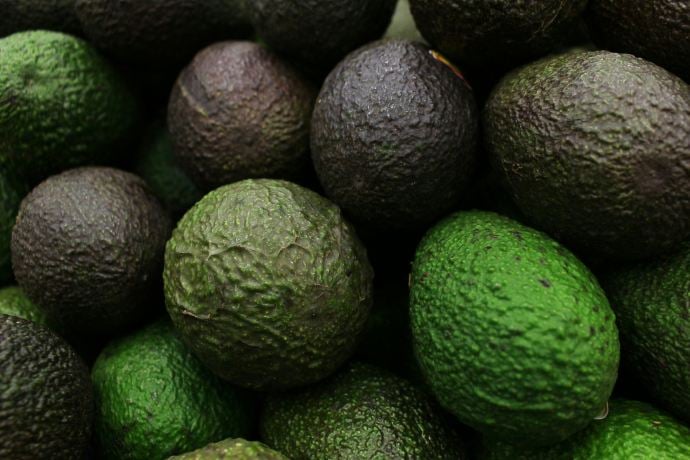
Avocados have one of the most dramatic ripening changes. “They start out green and slowly get darker,” Cam says. “If they’re too dark, they’ll be black inside.”
Best practice: Leave avocados on the counter until they yield slightly when pressed near the stem.
Quick tip: To speed things up, put them in a paper bag. The trapped gas helps ripen them in a day or two.
3) Bananas
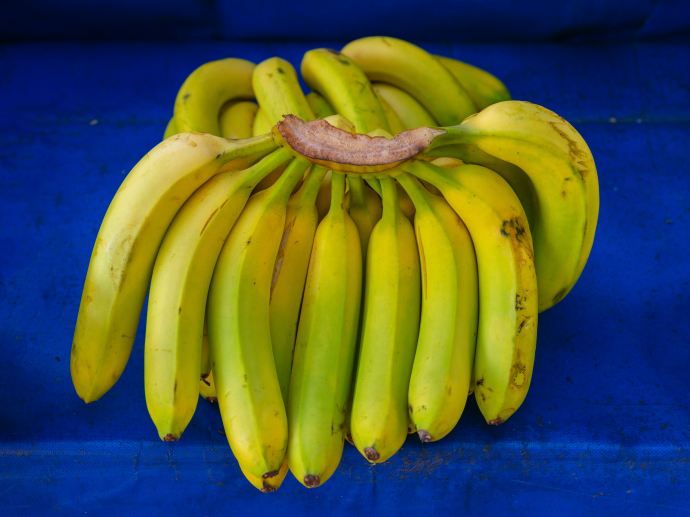
Bananas ripen quickly on their own, but refrigeration speeds browning and ruins flavor. “Bananas usually should not go in the cooler,” Cam explains. “Keep them around 45 degrees at room temperature. In the cold they lose flavor and the skin browns fast.
Best practice: Store bananas at room temperature. Separate them from other fruits to slow ripening.
Quick tip: If you need bananas sooner, place them in a paper bag. If you want to slow them down, wrap the stems in foil.
4) Stone Fruits (Peaches, Nectarines, Plums)
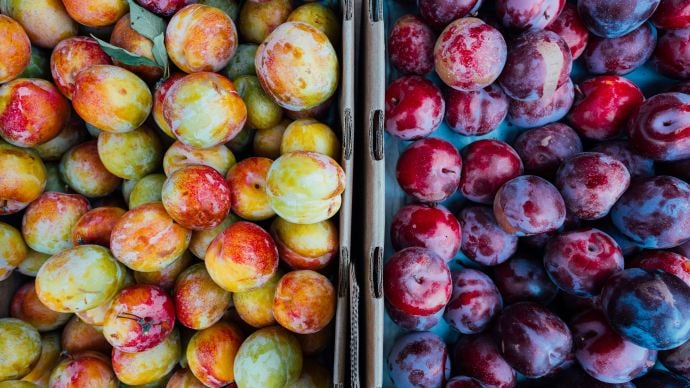
Stone fruits need time at room temperature before they’re ready. “Peaches and plums will ripen off the tree, but once they’re soft you need to move them to the fridge or they go bad quickly,” says Cam.
Best practice: Keep stone fruits on the counter until fragrant and slightly soft. Refrigerate after ripening to hold them for a few extra days.
Quick tip: If you overbuy, slice and freeze ripe fruit for smoothies or desserts.
5) Berries
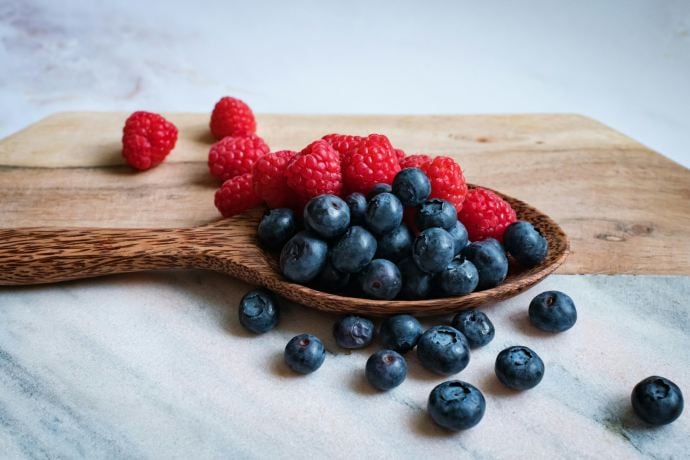
Berries don’t ripen much after harvest. Their main risk is spoilage. “Berries don’t last,” Cam explains. They’re best enjoyed soon after purchase since even a few days at room temperature can cause mold or softness.
Best practice: If you get a gift with berries, such as our sea salt caramel & milk chocolate covered strawberries, store them in the refrigerator and eat within two or three days.
Quick tip: Wash berries only just before serving to prevent mold.
6) Mangoes and Tropical Fruits

Mangoes and pineapples often ripen after a few days at room temperature. Cam tells us, “Dragon fruit is showing up more in schools now — it’s bright and eye-catching, which makes kids more willing to try it.”
Best practice: Keep your tropical fruits on the counter until you can press them in just a bit. Once they are ripe, refrigerate to extend their freshness.
Quick tip: Pineapples do look gorgeous once cut, but they need to be eaten quickly.
How Professionals Ripen Fruit
Those who are in the fruit industry in a big way, like markets and distributors, use large-scale ripening techniques. However, the same basic principle applies. “In the market they have big tarps that go over pallets, and even in the winter they’ll throw a heater next to them,” Cam explains. “Everything releases gas, and if you trap it, you can control how fast fruit ripens.”
Best practice: Put fruit inside a paper bag at home, fold the top, and check daily.
Quick tip: Avoid plastic bags keeping fruit in plastic bags — they trap moisture, which leads to mold and spoilage.
How to Ripen Common Fruits
- Put these on the counter and then into the fridge once they’re ripe: pears, avocados, peaches, nectarines, plums, mangoes
- Counter only: bananas (the refrigerator is a bad place for bananas)
- Refrigerate immediately: apples, grapes, most citrus (they don’t ripen further)
- Eat soon after purchase: berries
Bottom Line
Ripening is all about timing and environment. As Cam puts it, “Everything gives off gas as it ripens. If you trap that gas, you speed things up.” If you want to nudge fruit along, use paper bags. Keep your bananas and stone fruits at room temperature. As for other fruits, refrigerate them once they’ve hit peak ripening. Following these steps helps you enjoy every piece of your Fruit Gift Baskets at their best.